The discovery of two fungi in the belongings of the frozen Ötzi mummy demonstrates that humans already used fungi for medicinal purposes in prehistoric times – not only in China, but also in Europe. Just as in those times, fungi remain important in medicine today and represent significant potential in healthcare.
Four of the most important drugs are derived from fungi: the antibiotic penicillin; ergotamine, which regulates vascular (capillary) contraction; monacolin K – lovastatin, which lowers cholesterol; and cyclosporin, which suppresses the immune response in organ transplants and in the treatment of autoimmune diseases. In addition to these, many other fungi contain diverse bioactive compounds. Their effects on human well-being are broad, providing therapeutic benefits and alleviating numerous illnesses.
A balanced and varied diet, providing the body with essential nutrients for normal function, is crucial for human health. Nevertheless, modern lifestyles often require additional support for the organism, either for general well-being or for the prevention and treatment of diseases. In this context, medicinal fungi products hold a special place, as they contain numerous bioactive compounds with beneficial effects on the immune system, overall resilience, and general well-being.
Of the drugs mentioned above, I have personally only used penicillin. This is because I regularly use various medicinal fungi products as a dietary support, rather than as a “dietary supplement” in the bureaucratic sense. I understand this use as support for the body’s defense mechanisms, not as a replacement for medical treatment. Both my personal experience and numerous international scientific studies, conducted in collaboration with MycoMedica, demonstrate that medicinal fungi can play an important role in maintaining health, making this a promising and interesting area of modern medicine.
Among the many medicinal fungi, notable species include: Ganoderma lucidum (Reishi), Hericium erinaceus (Lion’s Mane), Grifola frondosa (Maitake), Cordyceps species, and Trametes versicolor (Turkey Tail), from which the polysaccharides PSK (Krestin) and PSP have been isolated, known for their anti-cancer properties and their ability to reduce side effects of radio- and chemotherapy.
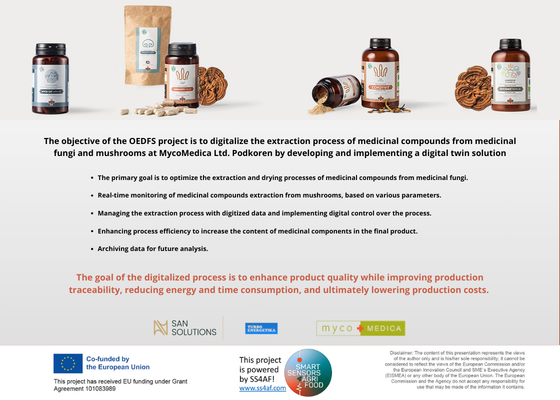
MycoMedica produces premium GOBA products from these and other medicinal fungi (“mycelia”), which I have been occasionally using for many years to support my health and well-being.
Professor Franc Pohleven, PhD, is a distinguished Slovenian biologist and mycologist, internationally recognized for his work in fungal physiology, biotechnology of higher fungi, and wood protection. He is an emeritus professor at the Biotechnical Faculty, University of Ljubljana, Slovenia. He obtained his degree in biology and earned his PhD at the Biotechnical Faculty, University of Ljubljana, specializing in fungal physiology and mycorrhizal interactions. His research and teaching have encompassed a broad range of topics, including mycology, wood pests, biotechnology of higher fungi, mushroom cultivation technologies, wood decomposition processes, and the development of environmentally friendly wood protection methods, with applications in nutrition, pharmaceuticals, and industrial biotechnology. Professor Pohleven served for many years at the Department of Wood Science, Biotechnical Faculty, University of Ljubljana, where he taught courses in mycology, biotechnology, wood protection, and conservation, and supervised numerous undergraduate, master’s, and doctoral theses. He is the author and co-author of numerous scientific and professional publications and patents, and has collaborated extensively with research institutions and industry both in Slovenia and internationally. He is an honorary member of the Slovenian Academy of Engineering Sciences and a long-time initiator and organizer of scientific and educational events, including the “Magic of Wood” workshops and exhibitions, promoting sustainable and environmentally friendly use of wood and the biotechnological potential of fungi. For his long-standing contributions to research and teaching, he received the Jesenko Award for Lifetime Achievement from the Biotechnical Faculty, University of Ljubljana.