

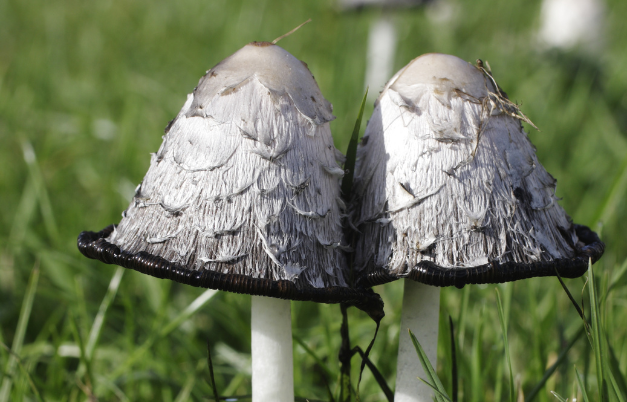
Coprinus comatus, commonly known as Shaggy Mane, is a distinctive mushroom recognizable by its “shaggy” cap edge, which eventually turns into a black, inky consistency as it matures. It primarily grows in grassy areas and along roadsides during spring and autumn. Recent studies have identified pharmacologically active compounds in this mushroom, which may have health-promoting properties.
Traditional Use
Shaggy Mane has been valued in many cultures as an edible mushroom with excellent taste, though it is suitable for consumption only when young and fresh. Traditional sources attribute various uses to it, including in folk medicine, while culinary use remains the most common.
Bioactive Compounds
Shaggy Mane contains proteins, dietary fibers, and phenolic compounds. It is also a natural source of antioxidants that help neutralize free radicals. Its composition includes polysaccharides and other bioactive molecules, which are studied for their potential influence on physiological processes in the body.
Key effects and Activities:
- Antioxidant Activity — Extracts of comatus have been shown to increase endogenous antioxidant enzymes (e.g., SOD, catalase) and reduce lipid peroxidation in animal models, suggesting potential cellular protection against oxidative stress.
- Glucose Metabolism — In preclinical models, ethanol extracts of comatus lowered blood glucose levels and improved markers associated with glucose metabolism, highlighting interest for further research in glucose regulation.
- Hepatoprotective Effects — Some animal studies suggest that polysaccharides from comatus may support liver recovery following toxic challenges, indicating potential benefits for liver health.
- Neuroprotective and Other Bioactivities — Laboratory studies have observed acetylcholinesterase inhibition by extracts, relevant for neurological research, though these findings remain preliminary.
Studies also indicate a wide range of anti-inflammatory, anticancer, and immunomodulatory effects, which require further confirmation in ongoing research.
Culinary Use
Fresh Shaggy Mane is often an excellent addition to meals, particularly in sauces and stews. In Slovenia and elsewhere, it is foraged by mushroom enthusiasts who appreciate its mild flavor and versatility.
Safety and Quality
Wild mushrooms can absorb heavy metals or other environmental contaminants. Safe foraging practices are essential, avoiding collection in potentially polluted areas. Rare adverse reactions, such as digestive disturbances, may occur.
Conclusion
Coprinus comatus (Shaggy Mane) is a versatile edible mushroom with a rich tradition of foraging and culinary use. Its antioxidant content and potential effects on metabolism and other physiological processes have generated growing scientific interest.
Research Sources and Further Insights:
Vse, ki želite o C. comatus izvedeti več, vabimo k branju dodatnih virov:
• Chemical composition, nutritional profile and in vivo antioxidant properties of the cultivated mushroom Coprinus comatus. PubMed.
• Ethanol extract of the mushroom Coprinus comatus exhibits antidiabetic and antioxidant activities in streptozotocin‑induced diabetic rats. PubMed.
• Antioxidant Activities and Properties of Coprinus comatus Mushroom Extracts. Biosaintifika Journal of Biology & Biology Education.
• The Shaggy Ink Cap Medicinal Mushroom, Coprinus comatus (Agaricomycetes), a Versatile Functional Species: A Review. PubMed.
• Herbal textual research and adverse reaction study of Coprinus comatus. magtechjournal.com.


